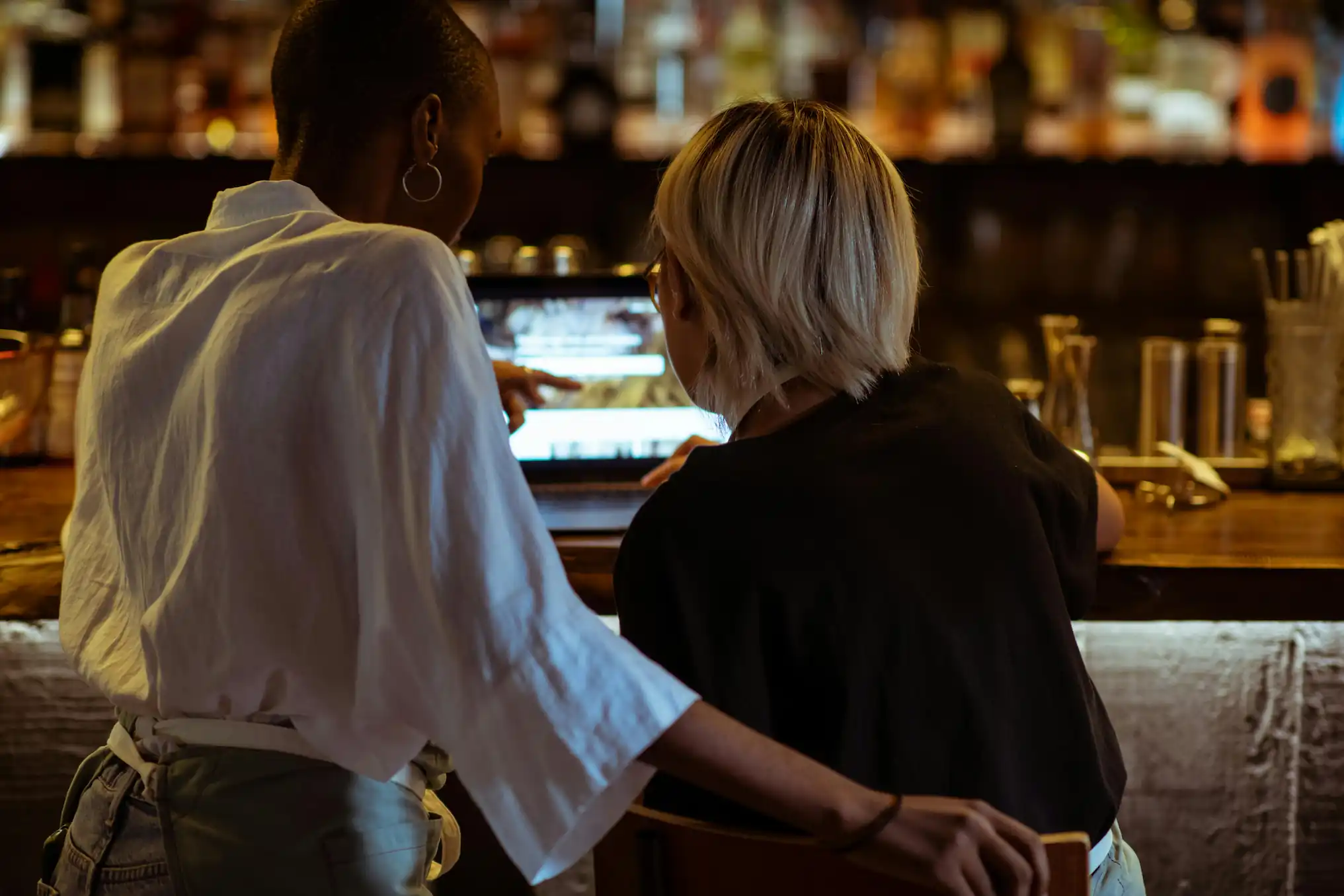
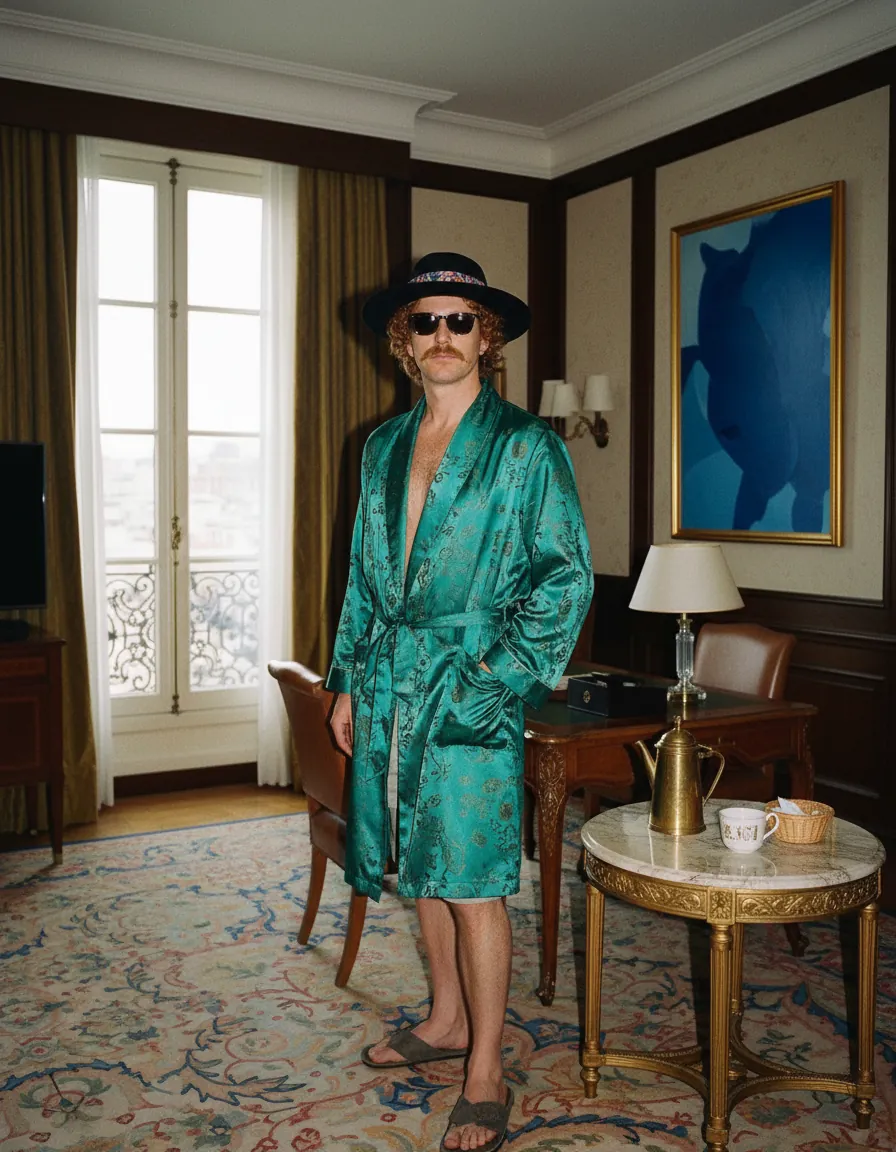
This conscious travelling public also cares that their choice of accommodation is in line with their values and expectations. They compare options carefully online, read reviews, and are not afraid to switch to another hotel if they do not feel appreciated. Personalisation therefore becomes a powerful tool to retain these new guests. If a guest notices that the hotel remembers their preferences and offers something unique with each stay, the chances of them returning time and time again increase.
Today's young travellers are also connected and impatient. They use smartphones to compare prices and book at the last minute, and they expect fast, seamless digital experiences. If your hotel doesn't keep up with their pace, you risk losing bookings. At the same time, they value authenticity and personalisation - a generation that would rather choose a hotel with unique touches and local flair than one that offers the same experience everywhere. Personalisation therefore becomes a way to create a memorable experience that stands out from the crowd.
According to Expedia's Traveler Value Index report 9 out of 10 travellers say that the atmosphere of the accommodation and the level of personal service are crucial when booking their accommodation. This underlines the importance of offering more than just a standard room - travellers want to feel that their stay means something to the hotel.
What is personalisation in hotels?
Personalisation in the hospitality industry is about customising the experience for each individual guest using information and data. Rather than offering all guests the same package deal or treatment, service, communication and offers are adjusted according to the guest's individual preferences and behaviours. This can be simple details like greeting the guest by name and having the room set to their favourite temperature, or more advanced actions like sending special offers based on the guest's previous bookings.
A personalised experience adds value to the guest by making them feel chosen and understood. For the hotel, this means higher guest satisfaction, more positive reviews and a greater likelihood of the guest returning. In other words, personalisation is key to building a strong relationship between the guest and the hotel. But to do this successfully, you need the right tools - here are modern PMS systems for hotels into the picture.
Historically, personalised service was seen as something only luxury hotels with concierges could offer. Today, technology enables even smaller hotels to give every guest the VIP treatment. Using digital tools, you can strike the right tone and timing in every interaction - without compromising on the personal touch.
Personalisation in the PMS system
A Property Management System (PMS) is the brain of a hotel's operation - it manages bookings, guest data, payments and much more. When we talk about personalisation in the PMS, we mean using all this data to create customised experiences for guests. A modern PMS with built-in personalisation functionality effectively acts as a CRM (Customer Relationship Management) for your hotel. It stores information about guests' past stays, preferences, wishes and behaviours, and makes this information available to your staff when needed.
Some examples of what PMS personalisation enables:
- Customised guest profiles: The system saves each guest's preferences - from room type and pillow choice to dietary preferences such as gluten-free or vegan. The next time the guest books, the PMS can automatically assign a room that matches their preferences and ensure that, for example, a gluten-free breakfast is ready.
- Personalised offers: By analysing guest behaviour, the system can send targeted offers. If a guest frequently uses the spa, the hotel can send them a discounted spa treatment as an incentive for their next stay. A family that always asks for an extra bed in the room can automatically receive a package price that includes it.
- Automated communication: Before the guest arrives, the PMS (via integrated booking engine and email/SMS functions) can send personalised welcome messages with information relevant to that particular guest - for example, tips on restaurants if the guest is interested in food, or a reminder to add a late check-out if the system knows that the guest often requests it.
- Personalised service on site: Once the guest checks in, staff have direct access to the guest's profile. This makes it possible to recognise moments such as birthdays or anniversaries during the stay. For example, the front desk can recognise a regular guest's birthday and surprise them with a small gift or room upgrade.
- Targeted marketing: Instead of sending the same mass mailing to everyone, an integrated PMS+CRM can segment guests. For example, couples who previously booked romantic packages may receive information about Valentine's Day offers, while business guests see conference package offers. This increases the relevance and impact of your communication.
In conclusion, a PMS with strong personalisation capabilities can transform how a hotel interacts with its guests. Although much happens automatically behind the scenes, the experience feels genuinely personal to the guest, which is the goal of all personalisation.
Increasing direct booking through personalisation
One of the major commercial benefits of increased personalisation is that it can increase direct bookings for the hotel. When guests perceive that they receive better service and more value when booking directly - for example through personalised offers or loyalty bonuses - they prefer to book through the hotel's own website rather than through an OTA (Online Travel Agency). Owning the relationship with the guest from the moment of booking allows the hotel to continue personalising the experience all the way through, which is not possible if an anonymous booking comes in from a third party.
The trend is clear: direct bookings are on the rise in the industry. According to a global survey by SiteMinder, while many travellers start their search on an OTA, a greater proportion ultimately choose to book directly through the hotel's own channel. In some markets, this trend is even more pronounced - in the US, around 40% of hotel bookings are now made directly with the property (up from 36% the year before), showing that in-house channels are gaining ground. The reasons are several: travellers appreciate the flexibility (e.g. generous cancellation and change policies), the possibility of direct contact with the hotel before arrival, as well as better rates or package deals often offered when booking directly. Here, personalisation becomes an important factor - a hotel that recognises a returning guest and rewards them with personalised attention or discounts is more competitive.
In addition, personalisation directly influences a guest's decision to come back. If a guest knows that they will get a unique experience and perhaps benefits when they book directly, they are more likely to cut out the middleman in the future. For the hotel, more direct bookings not only mean a closer relationship with the guest, but also cost savings by avoiding commission fees to OTAs.
To maximise the impact of increased personalisation and drive more direct bookings, the hotel's own booking channel needs to be at least as smooth as an OTA. This means that the website's booking engine must be easy to use, mobile-friendly and provide clear information on room types, prices and benefits. A quick and easy direct booking process combined with personalised incentives (such as special discounts or bonuses for direct customers) will make guests feel comfortable booking directly and see no advantage in going through intermediaries.
Loyalty programme in PMS - reward returning guests
Loyalty programmes are a proven way to increase guest retention, and when combined with personalisation, the effect is even stronger. A PMS that supports loyalty programmes makes it easy to accumulate points or nights on the guest's profile every time they stay at the hotel. The next time the guest logs in to the booking page, the system can automatically recognise them as a regular customer and provide access to special rates or bonus nights.
- Automatic scoring: each stay is recorded in the PMS and scored according to the programme without additional administration.
- Real-time loyalty status: Staff and systems instantly see whether a guest is a Gold or Silver member, for example, so extra benefits can be given without delay.
- Integrated member rates: when regulars log in and book via the website, their personalised discounts or promotions are automatically displayed in the booking engine.
- Targeted communication: the system can send reminders when the guest is close to reaching the next membership level, or offer a reward for a birthday or anniversary.
Personalisation can make the loyalty programme even more attractive. For example, a hotel can use the PMS data to segment its regular guests and send different offers depending on what that particular guest values. A business traveller might appreciate a free late check-out or airport transfer after a certain number of stays, while a family with children might prefer a free night on a future weekend stay. All this fine-tuning becomes possible when the loyalty programme is integrated with the PMS and CRM data. In fact, many guests are strongly attracted to rewards - surveys show that repeat customers often choose hotels that offer bonus nights or unique perks for loyal guests.
For the new generation of guests, who are price conscious but also want to feel valued, a modern loyalty programme can be crucial. It's not just points and free nights - it's the experience of being rewarded for their loyalty. When guests see that they receive personalised service and extra benefits the more often they choose your hotel, it creates a positive spiral of loyalty. They'll come back for more, and each time you can learn more about their needs and refine the experience further.
Simplify the running of your business! With our flexible platform, you can manage bookings, payments and guest communication in one place. Automate processes, save time and increase revenue.
Lyra - a platform built for personalisation
To take full advantage of personalisation, hotels need a system designed with this in mind. Lyra is a modern PMS that combines booking systems, CRM and other essential functions in one platform. Thanks to this all-in-one solution, you have a 'single true source' of guest data - all information about bookings, preferences, loyalty status and history is in one place. This allows personalisation to happen seamlessly at every stage of the guest's journey.
With Lyra, the experience can start at the time of booking. If a returning guest goes to the hotel's website to book via the integrated booking engine (WBE), the system automatically retrieves previously saved data from the PMS and CRM. This means that the guest can be greeted with their favourite room pre-booked, or receive a recommendation to add that spa treatment they looked at last time but never booked. Everything happens automatically and is integrated into the booking system on the website, making the experience frictionless for the guest.
During the stay itself, Lyra helps staff to deliver personalised service. Reception and other staff can easily see essential information about the guest: if they are a regular, if they have any special requests registered, or if they are celebrating something special. It's also easy to add notes that are saved for the next visit. All of this helps the guest realise that the hotel is looking after them as an individual, not just as a booking number.
Importantly, personalisation with Lyra doesn't mean more work for your staff - quite the opposite. Through automation and smart data management, the system takes care of many small tasks. Instead of your staff having to remember patrons' preferences or manually send out welcome emails, the system does it all automatically. Staff can then spend their time really engaging with guests and making that personal connection that technology can't replace. Lyra supports you in the background so that every guest notices the care without you having to increase your workload.
After check-out, personalisation doesn't stop. The Lyra platform can automatically send a follow-up email for feedback and thanks, and perhaps include a personalised offer for the next stay. As all the data is already in the system, these emails can be personalised without staff having to lift a finger. This increases the chances that the guest will remember their positive experience and book again directly through the hotel.
In short, Lyra is built to help hotels deliver the kind of personalised, connected experience that today's travellers expect. By having everything in one system - from PMS to loyalty programmes and communication tools - you can avoid complicated integrations and focus on what matters: the guest.
Summary
Personalisation is no longer something that 'only the big chains' do, but a necessity for anyone who wants to succeed in the hospitality industry. The new generation of travellers expects more - they want to be treated as individuals with unique preferences. By leveraging a modern PMS for guest journey personalisation, your hotel can build stronger relationships, increase direct bookings and build a loyal, repeat customer base. At a time when competition is fierce and guest attention is hard-won, it's important to stand out - and nothing stands out as positively as an experience that feels personalised to the guest. With the right system support, such as Lyra, this strategy becomes not only possible but also easy to put into practice. The hotels that seize this opportunity and put guest data to work will be ahead of the competition. The successful hotels of the future will be those that understand the power of personalisation and harness it to the full. Moreover, satisfied, personalised guests often lead to better online reviews and positive word-of-mouth, further driving bookings.
Putting the guest at the centre at every stage is the essence of personalisation - and it's how you future-proof your hotel.